

24 Dec HMS Photovoltaik: Complete Guide to Smart Solar Technology & Energy Efficiency
HMS Photovoltaik has become one of the most talked-about technologies in the solar energy world. As global demand for clean energy rises, homeowners, businesses, and industries are searching for efficient, reliable, and advanced photovoltaic (PV) systems. HMS Photovoltaik stands out because it enhances solar performance through intelligent microinverter technology, real-time monitoring, and optimized panel-level energy conversion. This system makes solar energy more reliable, safer, and more productive, especially in regions with variable sunlight or shading. This detailed guide explains everything about HMS Photovoltaik—how it works, its features, benefits, installation, maintenance, and why it is becoming a leading choice for modern solar setups.
What Is HMS Photovoltaik?
HMS Photovoltaik refers to a solar power system that uses HMS microinverters and smart monitoring tools to improve energy output and system visibility. Unlike traditional string inverters, where all panels operate as one group, HMS microinverters allow each solar panel to function independently. This means the performance of one panel does not affect the others. As a result, HMS Photovoltaik is more efficient, safer, and better equipped to handle partial shading or performance fluctuations. It provides stable AC output, superior reliability, and long-term durability.
Why HMS Photovoltaik Is Different From Traditional Solar Systems
Traditional PV setups rely on a centralized inverter. If one panel underperforms due to dust, shading, or temperature, the whole system’s output drops. In contrast, HMS Photovoltaik uses microinverters to convert DC to AC individually at each panel. This eliminates bottlenecks, enhances safety, and prevents energy losses. It also allows users to monitor each panel separately, improving troubleshooting and system optimization.
How HMS Photovoltaik Works
Understanding the functioning of HMS Photovoltaik requires breaking it into components:
1. Solar Panel Layer
Panels absorb sunlight and convert it into DC electricity. These panels can be monocrystalline, polycrystalline, or thin-film depending on installation goals.
2. HMS Microinverter Layer
Each panel has its own microinverter. It converts DC electricity into AC power directly, improving efficiency and system stability. This is the core of HMS innovation.
3. Monitoring & Data Platform
Energy production can be tracked panel-by-panel through a digital dashboard. Users can check:
- Real-time output
- Historical production
- Efficiency trends
- Fault alerts
This enhances transparency and maintenance accuracy.
4. Electrical Distribution
The AC power flows into the building’s electrical panel and is used to run appliances or fed into the power grid.
Key Features of HMS Photovoltaik
Panel-Level Optimization
Each panel works independently for maximum output. Shaded or dirty panels do not impact the entire array.
Improved Safety
By reducing or eliminating high-voltage DC lines, HMS Photovoltaik minimizes fire risks and improves household or commercial safety.
High Efficiency
Microinverters produce more consistent power throughout the day, especially during low-light or variable conditions.
User-Friendly Monitoring
Users can view performance metrics on mobile or desktop dashboards, helping them make informed decisions about energy use.
Flexible Installation
HMS Photovoltaik works for:
- Residential rooftops
- Commercial buildings
- Industrial plants
- Ground-mounted solar farms
Its modular design allows simple expansion.
Longer Lifespan
Microinverters typically last longer than traditional inverters, reducing replacement costs.
Applications of HMS Photovoltaik
Residential Solar Installations
Homeowners use HMS systems for:
- Lower electricity bills
- Sustainable living
- Backup energy with battery integration
Its safety and efficiency make it ideal for family households.
Commercial Solar Projects
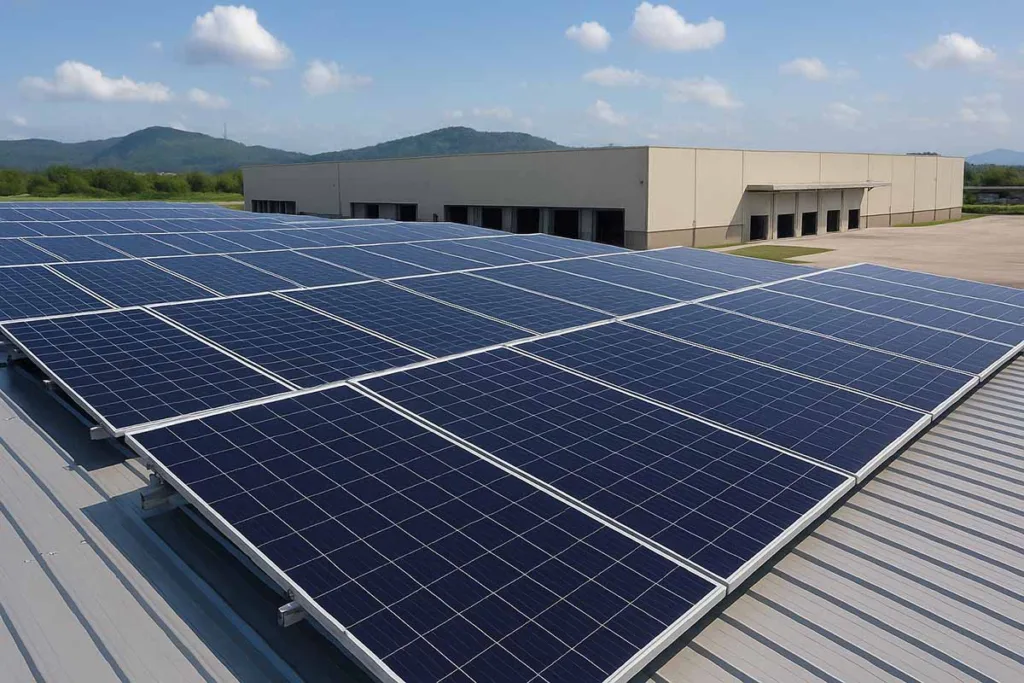
Businesses benefit from stable energy production, predictable bills, and easy monitoring across large panel systems.
Industrial Power Generation
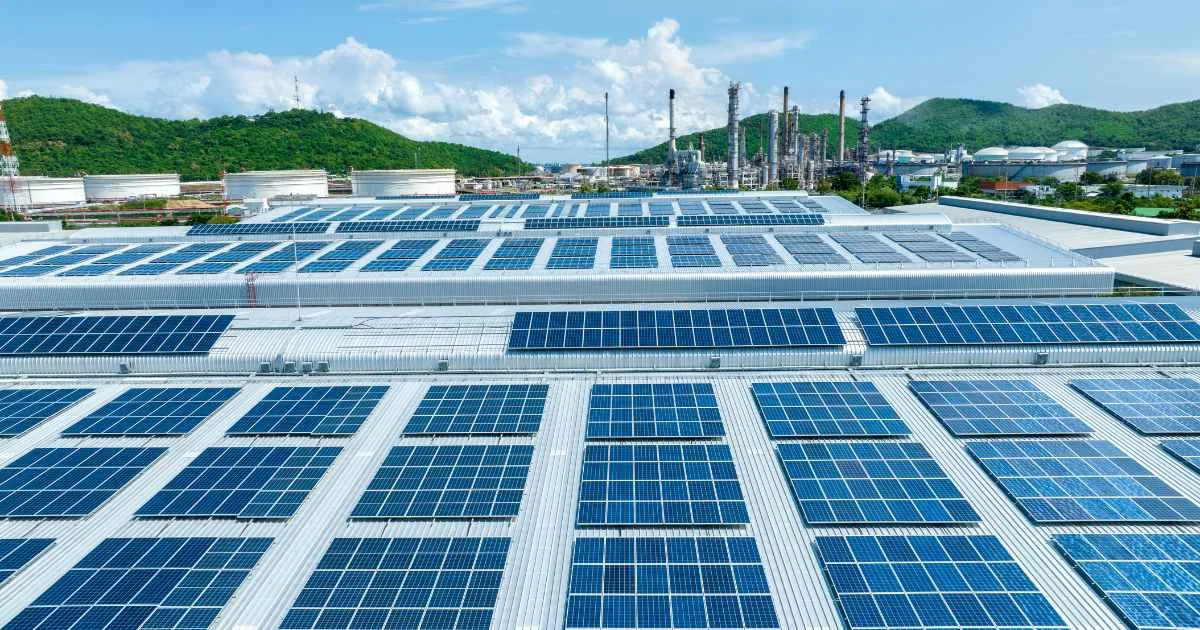
Factories and warehouses use HMS Photovoltaik to power machinery, lighting, and climate control systems more cost-effectively.
Agricultural & Rural Areas
Farms adopt HMS because it withstands harsh environments and supports irrigation systems, barns, and cold storage.
Off-Grid & Hybrid Solutions
With batteries, HMS Photovoltaik can power remote locations independently.
Advantages of HMS Microinverter Technology
1. Higher Production in Real Conditions
Even if weather changes or a panel is shaded, HMS systems continue performing efficiently.
2. Reduced Fire Risk
Elimination of high-voltage DC lines improves safety significantly.
3. Easier Troubleshooting
Panel-level monitoring helps detect issues instantly.
4. Longer Warranty Periods
Microinverters typically come with 10–25-year warranties.
5. Optimized Energy Yield
HMS systems often produce more energy over the system’s lifetime compared to string inverter setups.
HMS Photovoltaik vs. String Inverters
Efficiency
HMS wins due to independent panel control.
Maintenance
HMS is easier because issues are localized to single panels.
Safety
HMS eliminates risks tied to high-voltage DC wiring.
Cost Over Lifetime
While initial cost may be higher, lifetime value is greater due to improved efficiency and lower maintenance.
Why Homeowners Choose HMS Photovoltaik
HMS is the preferred choice for modern homeowners because it offers stable performance throughout the day. Even if trees, buildings, or seasonal shading affect part of the roof, HMS ensures that remaining panels continue producing maximum energy. This is especially helpful for irregularly shaped roofs or areas with unpredictable weather patterns.
Why Businesses Prefer HMS Photovoltaik
Businesses rely heavily on predictable electricity. With HMS:
- Downtime decreases
- Energy savings increase
- Performance reports support sustainability goals
- Systems can scale as the business grows
This makes HMS Photovoltaik a strategic long-term investment.
Installation Process of HMS Photovoltaik
Step 1: Site Inspection
Professionals evaluate roof condition, shading, tilt, and surface strength.
Step 2: System Design
A custom system layout is created based on energy needs and available space.
Step 3: Panel & Microinverter Installation
Panels are securely mounted and each fitted with an HMS microinverter.
Step 4: Electrical Integration
System wiring connects to the main electrical panel or battery storage system.
Step 5: Software Setup
Monitoring platforms are activated, allowing real-time tracking.
Step 6: Final Testing
Technicians test all components before completing the installation.
Maintenance of HMS Photovoltaik
HMS systems require minimal maintenance:
- Keep panels clean
- Check dashboard for alerts
- Schedule annual inspections
With proper care, they can operate efficiently for decades.
Environmental Impact of HMS Photovoltaik
HMS Photovoltaik supports a greener planet by:
- Reducing CO₂ emissions
- Supporting renewable energy transition
- Lowering grid dependency
- Promoting sustainability in residential and commercial sectors
Future Trends for HMS Photovoltaik
Solar technology continues evolving. Future trends include:
Smart AI Integration
Systems will automatically optimize panel performance and predict maintenance needs.
Advanced Panel Materials
Lightweight, flexible, and higher-efficiency cells will emerge.
Battery Storage Improvements
Better battery integration will enhance off-grid capabilities.
Wider Microinverter Adoption
Microinverters like HMS will likely become industry standards.
Conclusion
HMS Photovoltaik represents the future of efficient, safe, and smart solar energy production. Its microinverter-based design provides unmatched reliability, higher energy yield, and easy monitoring. Whether for homes, businesses, or large industrial sites, HMS systems deliver long-term value by optimizing performance under real-world conditions. With reduced risks, low maintenance, and impressive scalability, HMS Photovoltaik is one of the most advanced solar solutions available today. For anyone considering a solar investment, HMS technology offers a modern, future-proof approach to generating clean, affordable power.
Sorry, the comment form is closed at this time.