

26 Dec Doge Software Licenses Audit HUD: Complete Guide to Compliance, Tools, Features & Digital Risk Management
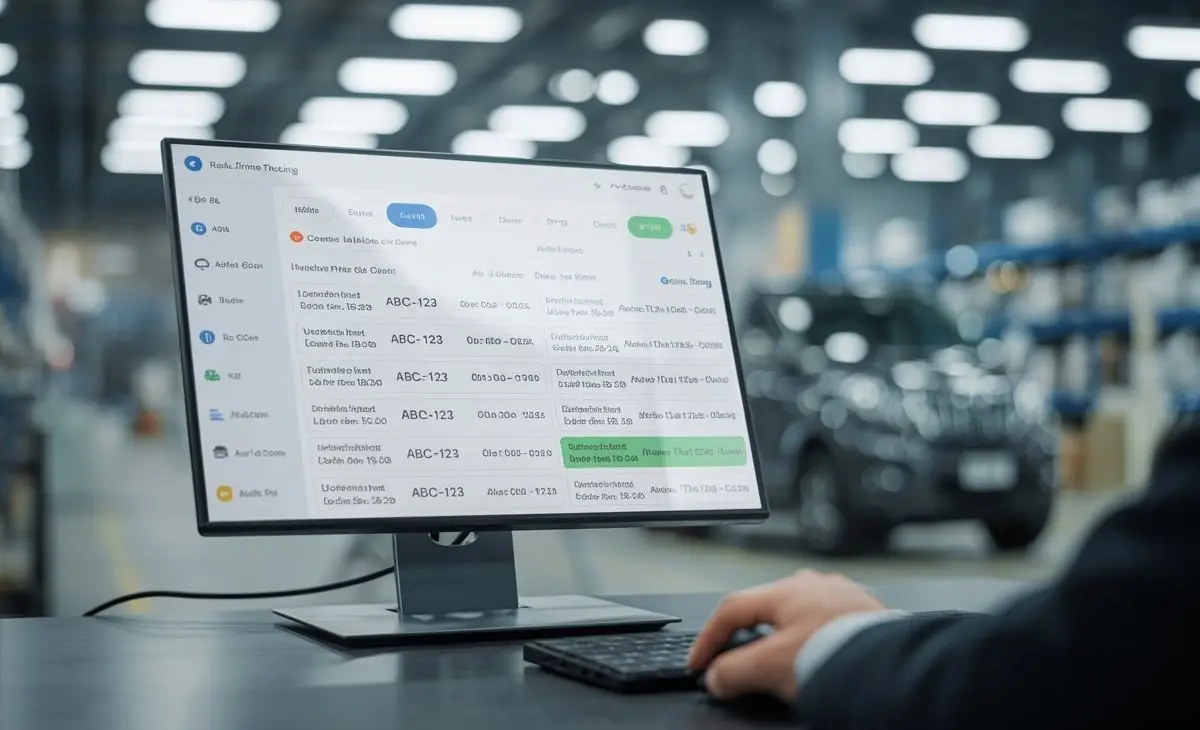
As businesses grow more dependent on software, managing licenses, tracking usage, and ensuring compliance have become critical responsibilities for IT teams and organizations. A modern tool that supports this process is the Doge Software Licenses Audit HUD—a digital dashboard-style system designed to monitor, audit, and manage software licenses in real time.
Whether you’re an IT manager, security specialist, developer, or business owner, understanding how the Doge Software Licenses Audit HUD works can help you reduce risks, control costs, and maintain compliance with legal and organizational requirements.
This complete guide explores everything about Doge Software Licenses Audit HUD—its meaning, purpose, features, audit capabilities, benefits, workflow structures, security advantages, best practices, and how companies can implement it effectively.
What Is Doge Software Licenses Audit HUD?
The Doge Software Licenses Audit HUD is a monitoring and auditing interface—often visualized as a Heads-Up Display (HUD)—that helps organizations monitor software licenses, usage patterns, compliance status, and potential violations.
It provides:
- real-time license tracking
- centralized audit logs
- compliance alerts
- visual dashboards
- optimization insights
In simple terms, it gives IT teams a clear picture of how software licenses are being used across the organization.
Why License Auditing Matters
Every organization depends on software tools—operating systems, cloud applications, office suites, security tools, development platforms, and more. Each software product comes with license agreements that businesses must follow.
Failure to comply can lead to:
- legal penalties
- financial fines
- operational shutdowns
- vendor disputes
- security risks
The Doge Software Licenses Audit HUD helps prevent these issues before they occur.
Core Components of the Doge Software Licenses Audit HUD
License Inventory Management
Tracks all licenses owned by the organization.
Usage Monitoring
Shows how many licenses are active at any time.
Compliance Status View
Identifies whether the organization is compliant or overloaded.
Renewal & Expiry Tracking
Alerts teams before licenses expire or need renewal.
Audit Logs
Keeps detailed records of changes and usage.
User & Device Mapping
Displays which users or devices are consuming licenses.
How the Doge Software Licenses Audit HUD Works
1. Data Collection
The system scans installed software and retrieves license data.
2. Usage Mapping
It maps usage across departments, devices, and users.
3. Compliance Assessment
It checks usage against purchased license totals.
4. Alert System
The HUD alerts teams about issues like:
- license overuse
- unauthorized software
- expiring licenses
- outdated versions
5. Reporting
Creates detailed reports for managers, auditors, and compliance officers.
Key Features of Doge Software Licenses Audit HUD
Real-Time Dashboard
The central HUD provides an interactive visualization of:
- active licenses
- unused licenses
- overused software
- compliance status
Automated Alerts
Built-in notifications keep the IT team proactive.
Multi-Platform Compatibility
The tool works with:
- Windows
- macOS
- Linux
- Cloud SaaS
- Enterprise systems
Audit Trail Recording
Every event or change is logged for internal or external audits.
Vendor Management Tools
Helps businesses track vendors, contracts, and renewal timelines.
Optimization Engine
Suggests ways to save money by eliminating unused licenses.
Benefits of Using Doge Software Licenses Audit HUD
Improved Compliance
Prevents costly license violations.
Cost Savings
Unused or duplicate licenses can be removed to save money.
Security Improvements
Unauthorized or outdated software is flagged quickly.
Better Resource Allocation
Teams understand who needs which tools.
Efficient IT Operations
Clear visibility reduces manual tracking.
Smooth External Audits
All data is ready when auditors request documentation.
Challenges Organizations Face Without a HUD
Unknown Software Usage
IT teams lack clarity about what’s installed on devices.
Shadow IT
Unauthorized apps create security vulnerabilities.
Unexpected Vendor Audits
Companies fail audits due to missing documentation.
Cost Overruns
Too many unused licenses waste money.
Compliance Confusion
Teams struggle to track policy updates manually.
The Doge Software Licenses Audit HUD directly solves these problems.
Use Cases of Doge Software Licenses Audit HUD
Enterprise IT Departments
Manage thousands of software installations easily.
Small Businesses
Gain transparency without hiring extra staff.
Cloud-Based Organizations
Track SaaS licenses and user subscriptions.
Developers & Engineering Teams
Monitor specialized tools like IDEs and cloud dev platforms.
Education & Research Institutions
Control academic licenses shared across labs and classrooms.
Doge Software Licenses Audit HUD in Cloud Environments
SaaS License Tracking
Monitors platforms like:
- Microsoft 365
- Google Workspace
- Adobe Cloud
Subscription Management
Shows monthly, annual, or usage-based costs.
User-Based License Monitoring
Tracks logins and activity to detect inactive accounts.
Security Features of Doge Software Licenses Audit HUD
Unauthorized Software Detection
Identifies apps that violate security policy.
Version Compliance
Flags outdated versions that pose risks.
Role-Based Access
Only authorized users can adjust license settings.
Encrypted Audit Logs
Ensures logs cannot be tampered with.
Incident Alerts
Notifies security teams of suspicious patterns.
How the HUD Supports Audit Preparation
Centralized Data
All license information is stored in one place.
Automatic Documentation
Reports generate documentation suitable for auditors.
Historical Data Access
Auditors can view events by date.
Vendor-Ready Reports
Provides formatted reports for Microsoft, Adobe, and others.
Doge Software Licenses Audit HUD Workflow Structure
Step 1: Inventory Scan
System scans all devices.
Step 2: License Validation
Matches installations with purchased licenses.
Step 3: Compliance Evaluation
Checks for gaps or overuse.
Step 4: Optimization Suggestions
Recommends license adjustments.
Step 5: Continuous Monitoring
HUD provides ongoing visibility and alerts.
Best Practices for Using a License Audit HUD
Assign a Dedicated Manager
Ensure ongoing monitoring.
Clean Up Unused Software Monthly
Remove unnecessary programs.
Review Vendor Contracts Regularly
Keep track of renewal dates.
Run Weekly Compliance Checks
Avoid surprises during audits.
Document Everything
Good documentation simplifies every audit.
Common Mistakes to Avoid
Ignoring Unused Licenses
They waste money.
Assuming All Software Is Authorized
Shadow IT is common.
Not Setting Alerts
Without alerts, issues go unnoticed.
Allowing Too Many Admin Accounts
More admin power = more risk.
Skipping Renewal Planning
Leads to service interruptions.
Future of Doge Software Licenses Audit HUD
AI-Powered License Forecasting
Predict future needs based on usage patterns.
Stronger Cloud Integration
Support for more SaaS platforms.
Automated Vendor Negotiation Tools
AI assists in contract optimization.
Zero-Trust License Access
Better security for multi-device environments.
Blockchain-Based Audit Logs
Tamper-proof logs for compliance.
Frequently Asked Questions
Is Doge Software Licenses Audit HUD a standalone platform?
It functions as a central dashboard with integrations.
Does it work for cloud-based apps?
Yes, it tracks SaaS and subscription licenses.
Can beginners use it?
Yes, the visual HUD design is user-friendly.
Does it help reduce software costs?
Yes—by eliminating waste and optimizing usage.
Is it useful during vendor audits?
Absolutely. All required data is pre-organized.
Conclusion
The Doge Software Licenses Audit HUD is an essential tool for modern organizations that want clarity, control, and compliance in their software environment. With real-time monitoring, automated alerts, license optimization, and strong audit support, the HUD simplifies what used to be a complex and time-consuming task.
Whether you’re managing a small business or a global enterprise, adopting this system can save money, reduce risks, and improve overall IT efficiency.
Sorry, the comment form is closed at this time.