

31 Dec Classroom 15X: The Complete Guide to Modern Learning Innovation
Classroom 15X is becoming one of the most talked-about concepts in modern education, combining technology, creativity, flexible learning, and student-centered instruction into a powerful new classroom model. As schools around the world work to adopt digital learning and immersive teaching experiences, Classroom 15X represents the future of education—interactive, adaptive, and designed to prepare students for a rapidly evolving world. This complete guide explores what Classroom 15X is, how it works, its benefits, tools, structure, teaching strategies, and how schools can implement it effectively.
What Is Classroom 15X?
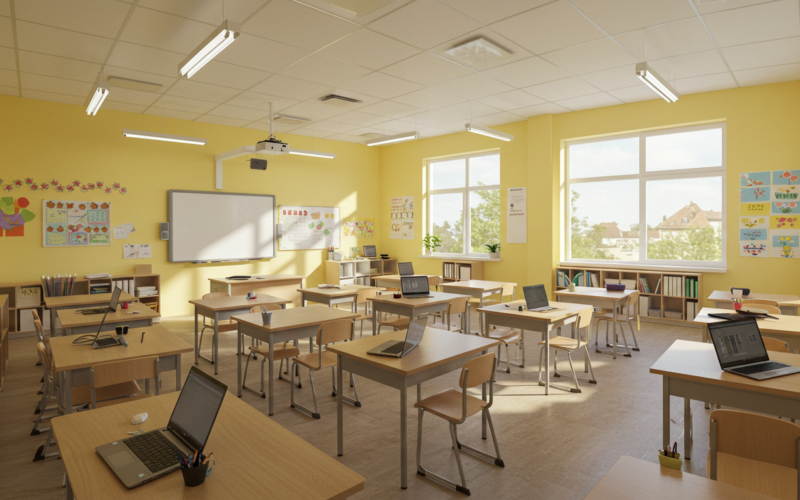
Classroom 15X is a next-generation learning environment that integrates technology, digital tools, flexible seating, creative spaces, and interactive learning methods. It aims to transform traditional classrooms into collaborative, future-ready spaces.
The Core Principles of Classroom 15X
- Student-centered design
- Technology integration
- Flexible learning zones
- Real-world problem solving
- Personalized instruction
- Collaboration and creativity
Classroom 15X is built to enhance student engagement and accelerate learning outcomes.
The Evolution of Classroom 15X
Understanding Classroom 15X requires looking at how learning spaces have evolved.
From Traditional to Tech-Enabled Classrooms
Old-style classrooms relied on static seating, chalkboards, and teacher-centered instruction. Classroom 15X replaces this with mobility, digital access, and open communication.
Rise of Modern Learning Needs
Students today require:
- Digital literacy
- Critical thinking
- Creativity
- Teamwork
- Adaptability
Classroom 15X meets these needs through environmental and instructional innovation.
Influence of Remote and Hybrid Learning
Pandemic-era schooling proved the need for flexible classroom models. Classroom 15X blends physical and digital learning smoothly.
Key Features of Classroom 15X
Classroom 15X is defined by its unique blend of tools, layout, and methodology.
Flexible Seating
Why Flexible Seating Matters
Chairs, couches, bean bags, standing desks, and mobile tables help students learn in comfort and enhance group interaction.
Benefits
- Increased focus
- Better collaboration
- Improved student autonomy
Interactive Technology

Technology is the backbone of Classroom 15X.
Essential Tech Tools
- Smartboards
- Tablets or Chromebooks
- Interactive learning apps
- High-speed internet
- AR/VR tools
How Technology Enhances Learning
It enables personalized lessons, real-time feedback, and visual learning experiences that increase retention.
Learning Zones
A Classroom 15X environment is divided into specialized zones.
Common Learning Zones
- Collaboration zone
- Quiet study corner
- Creative workshop area
- Digital lab zone
- Discussion circle
Benefits of Multiple Zones
Students can choose environments that match their tasks, improving productivity.
Project-Based Learning Integration
Classroom 15X encourages learning through hands-on projects.
Project Types
- STEM challenges
- Research presentations
- Group-based problem solving
- Real-world simulation tasks
Why It Works
Students develop practical skills and deeper understanding through active learning.
Personalized Learning Paths
Each student learns differently, and Classroom 15X supports this.
How Personalization Works
- Adaptive software
- Individualized assignments
- Self-paced modules
- Teacher-guided coaching
Benefits of Personalized Learning
Improves confidence, motivation, and performance.
Collaborative Learning Environment
Students work together frequently.
Collaboration Tools
- Digital whiteboards
- Shared online documents
- Group seating clusters
Collaboration Outcomes
Better teamwork, communication, and social-emotional skills.
Gamified Learning
Gamification increases motivation.
Gamified Elements
- Points
- Badges
- Interactive challenges
Impact on Engagement
Students participate more enthusiastically and retain information longer.
Role of the Teacher in Classroom 15X
Teachers shift from lecturers to facilitators.
Responsibilities
- Guiding groups
- Supporting digital learning
- Monitoring progress
- Providing feedback
Why This Role Works
It creates a supportive, interactive learning environment.
Benefits of Classroom 15X
Classroom 15X improves learning efficiency and engagement in multiple ways.
Boosts Student Engagement
Why Engagement Increases
Interactive tools and flexible spaces keep students interested and involved.
Enhances Critical Thinking
How It Helps
Project-based work and creative tasks encourage problem-solving skills.
Supports Differentiated Learning
Impact
Students receive learning experiences tailored to their strengths and needs.
Improves Digital Literacy
Why It Matters
Students become confident using technology, preparing them for modern careers.
Encourages Collaboration
Collaboration Outcomes
Students build communication and teamwork abilities essential for real-world success.
Strengthens Teacher-Student Relationships
How It Happens
Teachers spend more time supporting and coaching, creating stronger connections.
Supports Social-Emotional Development
Benefits
Students learn responsibility, leadership, empathy, and independence.
Tools Used in Classroom 15X
A combination of hardware and software powers the Classroom 15X model.
Core Hardware Tools
Examples
- Laptops
- Digital tablets
- VR headsets
- Smart projectors
- Classroom audio systems
Key Software Tools
Essential Apps
- Google Classroom
- Kahoot
- Nearpod
- Zoom
- Learning management systems (LMS)
How to Set Up a Classroom 15X
Schools can transition to Classroom 15X step-by-step.
Step 1: Redesign the Space
Tips
Remove fixed desks, add flexible seating, and create learning zones.
Step 2: Integrate Technology
Tips
Provide digital devices, install smartboards, and use educational software.
Step 3: Train Teachers
Training Includes
Digital literacy, classroom management, and interactive teaching methods.
Step 4: Introduce New Learning Models
Approaches
Project-based learning, flipped classrooms, and collaborative exercises.
Step 5: Involve Students
How
Let them choose seating, participate in classroom design, and set goals.
Challenges of Classroom 15X
While powerful, Classroom 15X also brings challenges.
Technology Access
Issue
Some schools struggle with limited devices or poor internet.
Teacher Training Needs
Issue
Teachers need time and support to adapt to new models.
Classroom Management
Issue
Flexible spaces require strong routines and expectations.
Cost of Implementation
Issue
Redesigning spaces and purchasing technology can be expensive.
Future of Classroom 15X
Classroom 15X continues to evolve with global learning trends.
AI-Powered Learning
Impact
Artificial intelligence will personalize learning even more.
Virtual and Augmented Reality Expansion
Impact
Students will experience immersive simulations and global connectivity.
Focus on Soft Skills
Trend
Schools will prioritize communication, creativity, and emotional intelligence.
Blended Learning Models
Impact
Combining online and in-class learning enhances flexibility.
Conclusion
Classroom 15X represents a revolutionary shift in how students learn, teachers teach, and schools design educational spaces. With a focus on flexible seating, digital tools, personalized learning, collaboration, and real-world skill development, it creates an environment where students thrive academically and emotionally. As technology continues to evolve, Classroom 15X will shape the future of education, helping prepare students for careers, creativity, and lifelong learning.
Sorry, the comment form is closed at this time.