

19 Dec The Role of Sports Medicine in Athletics
Athletic performance and injury prevention require specialized medical knowledge tailored to the physical demands of sports. Sports medicine focuses on the evaluation, treatment, and prevention of injuries related to physical activity and athletic participation. Here’s more information on the role of sports and exercise medicine in athletics:
Understanding Sports Medicine
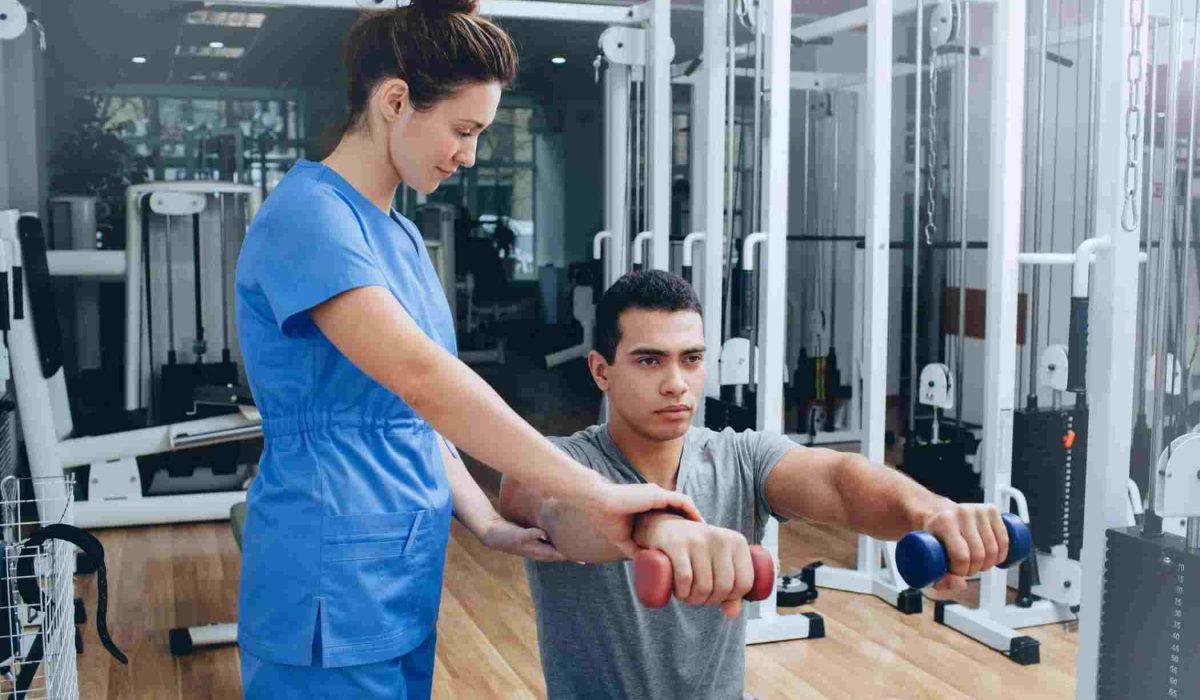
Sports medicine is a branch of healthcare dedicated to physical fitness and the treatment and prevention of injuries related to sports and exercise. It involves a team of specialists who work together to help patients recover and return to their activities. This team often includes physicians, physical therapists, athletic trainers, and nutritionists. While the name suggests it is only for athletes, this field supports a much wider group of people. It is beneficial for adults starting a new workout routine, children playing youth sports, and active seniors.
Anyone with a physically demanding job or lifestyle can find relief through this medical specialty. Construction workers and dancers all face similar risks of musculoskeletal injury. Sports injury care applies the same principles to these groups to help them maintain their ability to work and move.
Preventing Athletic Injuries
Preventing an injury is often more effective and less painful than treating one after it occurs. Specialists use several methods to help athletes avoid harm during training and competition. Here are some of them:
- Pre-participation physical exams: These exams identify underlying health issues that may make sports participation dangerous.
- Biomechanics analysis: Specialists observe how an athlete moves to identify poor technique that can lead to strain.
- Proper equipment fitting: Making sure that shoes, pads, and helmets fit correctly reduces the risk of acute injury.
- Conditioning programs: Trainers design exercise routines that build strength and flexibility in areas prone to injury.
- Nutrition guidance: Proper fueling helps the body repair tissues and maintain energy levels during intense activity.
These preventive measures help the body stay safe while performing at a high level.
Supporting Injury Recovery
When an injury occurs, sports injury care focuses on addressing the root cause rather than masking symptoms. Providers use restorative techniques to support the body in healing itself naturally. Here is how they support injury recovery:
- Accurate diagnosis: Doctors use physical exams and imaging to pinpoint the location and severity of the injury.
- Regenerative medicine: Treatments such as Platelet-rich Plasma (PRP) therapy use the patient’s own cells to accelerate healing.
- Physical therapy: Guided exercises restore strength, range of motion, and balance to the injured area.
- Pain management: Specialists use conservative methods to manage pain without relying heavily on medication.
- Return-to-play protocols: Doctors monitor progress to determine exactly when an athlete is ready to resume competition safely.
Creating a personalized plan helps patients regain strength and mobility, reducing the risk of re-injury.
Enhancing Performance Safely
Sports medicine is not limited to fixing broken bones or torn ligaments. It also plays a fundamental role in helping athletes reach their full potential. Doctors and trainers analyze how a body moves to identify areas for improvement. They may recommend nutrition changes to fuel the body better for specific events and design training programs that build strength in target muscle groups.
Psychology is another key aspect of athletic performance that specialists address. The pressure of competition often affects an athlete’s mental state and physical performance. Sports medicine teams may include support for mental skills training. This helps athletes maintain focus and manage stress during high-stakes situations.
Book Your Sports Medicine Appointment
Proper management of training loads, regular monitoring by a healthcare provider, and a well-rounded approach are key to optimizing athletic performance while avoiding overtraining syndrome. Making sure the training plan adapts to the athlete’s progress and addresses physical and mental health equips athletes to meet the demands of their sport effectively. For chronic pain or to improve your physical performance, contact a sports medicine specialist near you to book your appointment today.
Sorry, the comment form is closed at this time.