

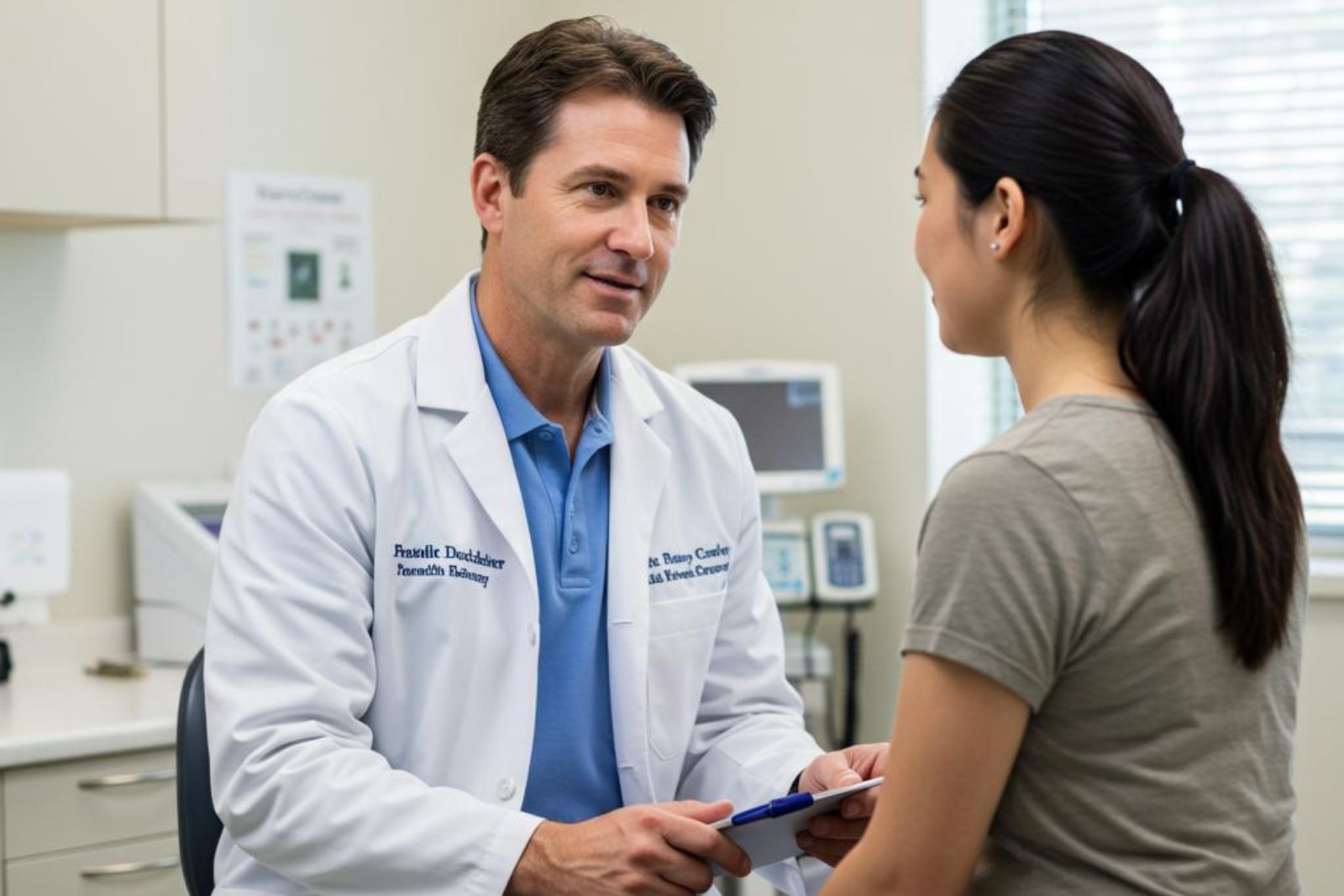
26 Dec The Role of Your Primary Care Doctor For Managing Chronic Conditions
Managing long-term health issues requires a steady plan. A primary care doctor serves as the central point for your medical needs, and they coordinate various aspects of your care. When you visit regularly, your doctor tracks your progress and identifies new issues before they become severe, which is beneficial for good health.
Understanding Chronic Care Management
Chronic conditions often last for a year or longer, but some may persist throughout life. These illnesses require ongoing medical attention, or they limit activities of daily living, so consistent monitoring is necessary. Your primary care provider offers management to help you stay on track. This service includes regular check-ups where the doctor reviews your medications and adjusts your treatment plan if needed. Because your doctor knows your history, they can spot small changes that a new doctor might miss. This requires you to maintain a schedule of regular visits, and ongoing communication.
The goal is stability. A primary care doctor monitors your health, such as blood pressure and blood sugar, and explains changes in these values. You might need routine lab work, and the doctor will explain the results to you, so you understand any changes. Understanding your numbers helps you make better decisions about your diet and lifestyle, empowering you to take control of your health.
Addressing Specific Health Needs and Screenings
Primary care is not just for when you feel sick. Doctors provide preventive services, which detect problems early when they are most treatable, and sometimes makes a significant difference. Regular screenings can catch issues before symptoms appear, so your doctor may intervene quickly. You may schedule a visit for a specific concern, but your doctor should also check your overall health.
Testing is a key part of management. Your doctor can perform STD testing if you have concerns, and seeking care early increases your options. These tests are confidential, and prompt results allow for quick treatment. If you are planning a surgery, your primary care doctor provides surgical clearances. The surgeon needs to know your condition, so your primary doctor evaluates and clears you for the operation.
Your Primary Care Doctor
Even with a chronic condition, you could still catch a common cold, and recovery may take longer. Primary care doctors treat viral illnesses, which can occur unexpectedly. Your doctor will advise you on safe medications, and this advice is tailored to your needs. It is beneficial to treat acute illnesses quickly because they could complicate existing problems, especially with a weakened immune system.
Physicals are another service offered. You may need physicals for work requirements, or for school sports. These exams check you are physically capable of participating safely, and your doctor completes the necessary paperwork. Sports physicals are often required for participation in athletic activities, and the doctor checks your heart and lungs to check that your body handles stress of physical exertion without risking your health.
Schedule Your Appointment Today
Taking charge of your health starts with a single visit. A primary doctor is your partner in wellness, and they provide the guidance you need to manage chronic conditions effectively, even if you have struggled in the past. You should not wait until a small problem becomes a major health crisis, because early intervention is always the one of best strategies for long-term success, and your future self will thank you. Schedule your next appointment, so you can experience comprehensive care.
Sorry, the comment form is closed at this time.