

29 Dec How Orthotics Work and Why They Matter
Orthotics are specialized devices designed to support and correct physical function, and doctors prescribe them to treat various foot and ankle conditions. While store-bought inserts offer cushioning, custom orthotics target specific biomechanical issues efficiently. They fit inside your shoes, but they perform a complex medical function. Here is more information about how orthotics work:
Providing Support
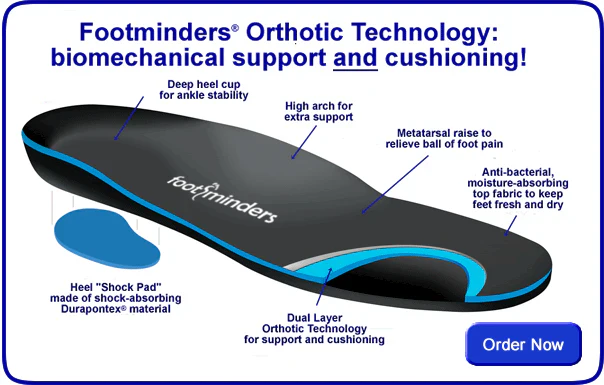
Your feet bear the weight of your entire body every day. Orthotics distribute this pressure more evenly across the foot’s surface. When you walk, the device supports the arch and absorbs significant shock impact. This support aims to reduce strain on muscles, tendons, and ligaments in the feet.
The materials used in orthotics vary based on the patient’s specific needs. Rigid devices control function, and soft materials provide necessary cushioning for sensitive feet. Your podiatrist typically selects the right combination, so you receive optimal support daily.
Stabilizing Skeletal System
The foot acts as the foundation for the entire skeletal system structure. If the foundation is unstable, the rest of the body often suffers misalignment. Orthotics stabilize the foot position, so the ankles and knees remain properly aligned. This stability prevents unnecessary rotation of the leg bones during movement.
An unstable gait affects how you walk and stand over time. By correcting foot mechanics, orthotics help maintain a neutral position for your joints. The device limits excessive movement, which protects the skeletal system from wear and tear.
Properly fitted orthotics may also alleviate foot problems, such as plantar fasciitis and heel spurs. They provide support and cushioning, which reduces pressure on sensitive areas and promotes comfort during daily activities. By improving posture and alignment, orthotics contribute to long-term joint health, helping to prevent chronic pain and mobility issues.
Realigning Body
Misalignment starts in the feet and travels up the kinetic chain. When feet roll inward or outward excessively, the hips and back compensate. Orthotics aim to correct these deviations, and they restore natural alignment to the lower body. This realignment reduces stress on the joints that causes discomfort.
Reducing Chronic Pain
Many people suffer from chronic pain due to untreated foot conditions. Orthotics address the root cause of the pain rather than just masking symptoms. For example, they relieve pressure on painful areas like bunions or heel spurs. By offloading specific zones, the devices allow inflamed tissues to heal properly.
Certain conditions, such as plantar fasciitis, respond very well to orthotic therapy over time, including:
- Flat feet
- High arches
Pain typically decreases significantly once the foot functions mechanically correctly. Patients may find relief in their knees and lower back as well. Because the body moves more efficiently, inflammation subsides in the affected areas naturally. Custom orthotics are used to prevent future injuries by promoting proper alignment and reducing undue stress on joints and muscles.
Schedule a Visit for Orthotics
Custom orthotics require a thorough examination by a qualified foot specialist first. The doctor analyzes your gait, and they take precise measurements of your feet. This assessment identifies the specific biomechanical issues that require correction or support. Contact a foot and ankle doctor today to schedule your consultation and discuss your options.
Sorry, the comment form is closed at this time.