

29 Dec The Connection Between Stress and Gut Health
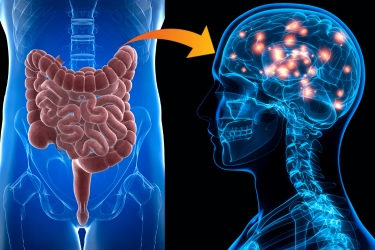
The link between the brain and the digestive system is complex and bidirectional. The gut is sometimes called the “second brain” because of its extensive network of neurons that constantly communicates with the brain. When you experience stress, your body releases hormones that can directly impact your digestive system. Understanding this relationship can help explain why you might experience digestive issues during stressful periods.
How Physical Stress Affects Gut Health?
Physical stress triggers a “fight or flight” response in the body. This physiological reaction prioritizes functions needed for immediate survival, like increasing heart rate and blood flow to muscles. Consequently, it slows down other processes, including digestion. This slowdown can alter the delicate environment within your gut.
- Changes in Gut Motility: Stress can either speed up or slow down the movement of contents through the digestive tract. This may lead to diarrhea or constipation.
- Increased Gut Permeability: Stress can affect the barrier of the intestinal lining, making it more permeable. This allows substances that are normally contained within the gut to pass into the bloodstream, potentially triggering an inflammatory response.
- Alterations in Gut Microbiota: The balance of good bacteria in your gut can be disrupted by stress hormones. This imbalance may affect nutrient absorption and overall gut function.
- Heightened Gut Sensitivity: Stress can make the nerves in your gut more sensitive. This means you might feel pain or discomfort from normal digestive processes more intensely.
These changes demonstrate how physical stress creates a cascade of effects within the digestive system. The body’s response is designed for short-term threats, but chronic stress can lead to prolonged disruption. This may contribute to ongoing digestive issues and discomfort.
Which Symptoms Signal Imbalance?
When the gut’s environment is disrupted, it can manifest through a variety of physical symptoms. Recognizing these signs helps you connect them to periods of high stress. The body often communicates its internal state through these signals.
- Abdominal pain or cramping
- Bloating and excess gas
- Constipation or diarrhea
- Heartburn or acid reflux
- Nausea
These symptoms vary in intensity and frequency from person to person. They may appear suddenly during a stressful event or develop gradually over time with chronic stress. Paying attention to these signals can be a first step in addressing the underlying digestive issues.
When Does Intervention Improve Digestive Issues?
Intervention is helpful when digestive issues start to interfere with your daily life. If symptoms like bloating, pain, or irregular bowel movements become persistent, it might be time to look for solutions. Managing stress through techniques like mindfulness, exercise, and adequate sleep may have a positive effect on gut health. Simple dietary adjustments also support your digestive system.
Making these lifestyle changes can help manage the body’s stress response. A calmer nervous system often leads to a calmer digestive system. When the body is not in a constant state of “fight or flight,” it can dedicate more resources to proper digestion. This may help reduce the frequency and severity of symptoms and improve overall gut function.
Consult a Specialist
If you are experiencing persistent digestive issues, seeking guidance from a healthcare professional is a positive next step. A doctor or a registered dietitian can help you identify the root causes of your symptoms. They can provide a personalized plan to support your digestive health. Working with an expert can help you navigate your symptoms and find effective solutions for long-term well-being.
Sorry, the comment form is closed at this time.