

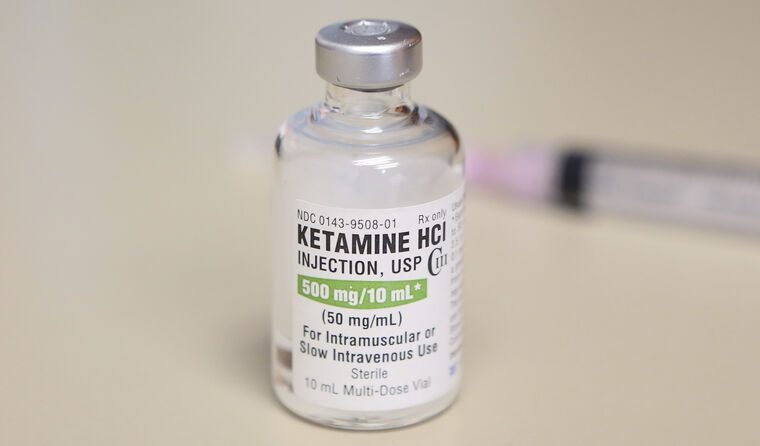
30 Dec What Is Involved in a Ketamine Treatment for OCD?
Obsessive-compulsive disorder (OCD) presents unique challenges for those diagnosed with the condition. Unlike general anxiety or temporary worry, OCD involves persistent, intrusive thoughts and repetitive behaviors that can severely disrupt daily life. For many patients, standard treatments provide significant relief, but a subset of individuals find their symptoms resistant to traditional medications and therapies. Ketamine, an anesthetic medication used safely in hospitals for decades, has emerged as a potential therapy for various mental health conditions, including depression and OCD.
What Is OCD?
OCD is a chronic mental health condition characterized by a cycle of obsessions and compulsions. Obsessions are unwanted, intrusive thoughts, images, or urges that trigger intense feelings. Compulsions are behaviors an individual engages in to attempt to get rid of the obsessions or decrease distress.
Common obsessions include fears of contamination, aggressive thoughts towards others or oneself, or a need for perfect symmetry. Compulsions may manifest as excessive cleaning or handwashing, ordering and arranging things in a particular, precise way, repeatedly checking on things, or compulsive counting. These symptoms consume significant time and can interfere with work, school, and social relationships.
How Is It Treated?
The first line of defense against OCD typically involves a combination of medication and psychotherapy. Selective serotonin reuptake inhibitors (SSRIs) are the most commonly prescribed medications. Cognitive behavioral therapy (CBT), specifically a type called exposure and response prevention (ERP), stands as a standard method for psychotherapy. Despite these effective options, some patients do not experience full symptom relief. This group may require alternative therapeutic approaches to manage their condition effectively.
What Does Ketamine Treatment Involve?
Ketamine therapy for OCD represents a departure from traditional daily oral medications. The treatment usually occurs in a specialized clinic under the supervision of medical professionals. The process focuses on the glutamate system in the brain, which plays a key role in mood levels.
The Administration Process
Ketamine is frequently administered via an intravenous (IV) infusion. This method allows for precise control over the dosage and immediate absorption into the bloodstream. A typical session lasts about 40 minutes, though the appointment time may be longer to account for preparation and recovery. During the infusion, medical staff may monitor vital signs such as blood pressure, heart rate, and oxygen saturation.
The Patient Experience
The subjective experience during a ketamine session varies. Many patients report a dream-like feeling, which is a known effect of the medication. This dissociative state is temporary and subsides shortly after the infusion ends. Unlike SSRIs, which can take weeks to show effects, some patients report rapid effects.
Treatment Protocol and Maintenance
A single infusion is rarely sufficient for long-term relief. A standard protocol often involves an induction phase consisting of several infusions over the course of weeks. This concentrated series aims to maximize the neuroplastic effects of the drug, helping the brain form new connections and break the rigid patterns associated with OCD.
Seek Professional Ketamine Treatment
Navigating the landscape of mental health treatments requires guidance from qualified specialists. If traditional therapies have not yielded the desired results, discussing ketamine therapy with a psychiatrist is a logical next step. Professional clinics conduct thorough evaluations to determine if a patient is a suitable candidate for this treatment.
No Comments