

30 Dec Best Practices for Kids’ Foot Care
Children are active, and their feet grow quickly, which means their needs often change rapidly. Parents can overlook kids foot care until a specific problem arises, but early attention prevents future complications. Because monitoring development supports proper growth, regular checks can catch issues like ingrown toenails before they worsen significantly.
Recognizing Early Warning Signs
Children may not always articulate pain clearly. They might limp or avoid certain activities, yet they will not tell you exactly where it hurts. Since parents should watch for behavioral changes because these shifts often signal underlying ankle pain or foot discomfort, it is helpful to remain observant. If a child trips frequently, they may have ankle instability or a structural problem like hammertoe.
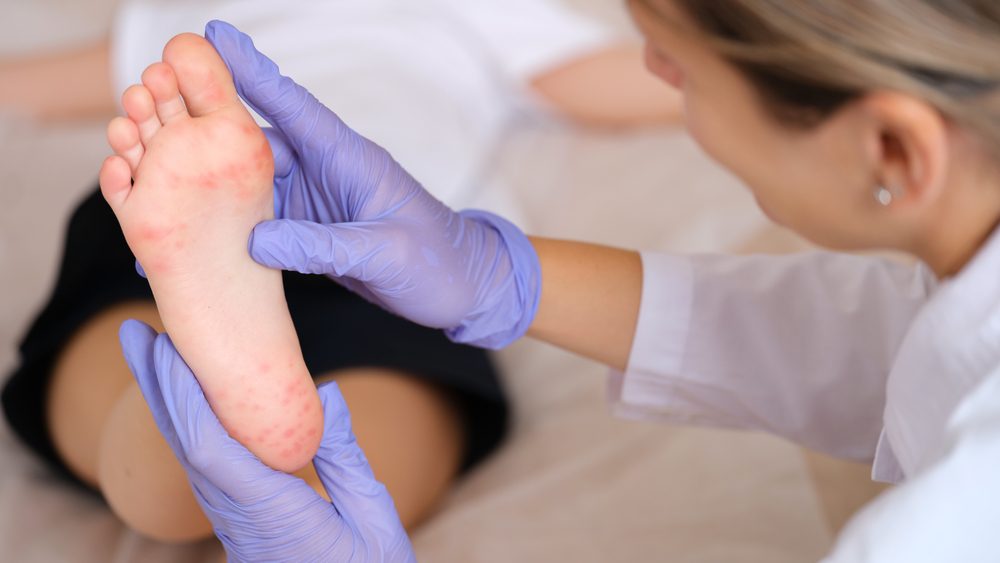
Inspect their feet regularly, even if no complaints are voiced. Look for redness or swelling around the nail beds, which indicates ingrown toenails, and check the heels for tenderness associated with the achilles tendon. Early detection simplifies treatment, so when paying close attention to kids, foot care can make a big difference. When you notice persistent favoring of one leg, it is time for a professional evaluation, as ignoring these signs can lead to more complex foot and ankle trauma later.
Managing Kids Foot Care
Many children participate in organized spots. This activity is healthy, but it increases the risk of specific injuries, such as ankle sprains or fractures. Since sports medicine focuses on these athletic injuries, specialists can guide appropriate recovery protocols. A simple ankle sprain may seem minor at first. If a child returns to the field too quickly, the joint remains weak, and chronic instability often follows. Proper footwear helps with prevention. Shoes need to provide arch support and heel stability, or the child may require custom orthotics to correct their gait. Replacing worn-out cleats or running shoes is a simple measure that can make a big difference. Fractures in growing bones require careful management, so prompt medical attention is necessary whenever a significant impact occurs during play.
Addressing Structural Concerns
Some foot issues are developmental or hereditary, and these may become apparent gradually. Bunions can appear in adolescence, and while surgery is a last resort, monitoring progression matters. Since pediatric foot care encompasses these long-term structural evaluations, regular observation is recommended. Parents should look at the shape of the toes. If a toe curls downward abnormally, it may be a hammertoe, which can cause friction against shoes. Conservative treatments often work well initially. You can use padding or wider shoes to alleviate pressure, but foot surgery might become an option if pain persists despite these non-invasive measures. Regular screenings track these changes over time. Because bones harden as children age, correcting alignment issues early with custom orthotics is usually more effective than waiting until adulthood.
Schedule Your Child’s Foot Exam Today
Foot health impacts a child’s overall well-being, and it plays a significant role in their ability to participate in daily activities. Regular check-ups help catch problems early, and proactive care prevents minor issues from becoming major obstacles. If you suspect ankle pain or notice uneven wear on your child’s shoes, contact your office to schedule a consultation, since early intervention is key. Your team provides comprehensive evaluations for everything from ankle fractures to ingrown toenails, and are ready to help your child stay active and pain-free.
No Comments