

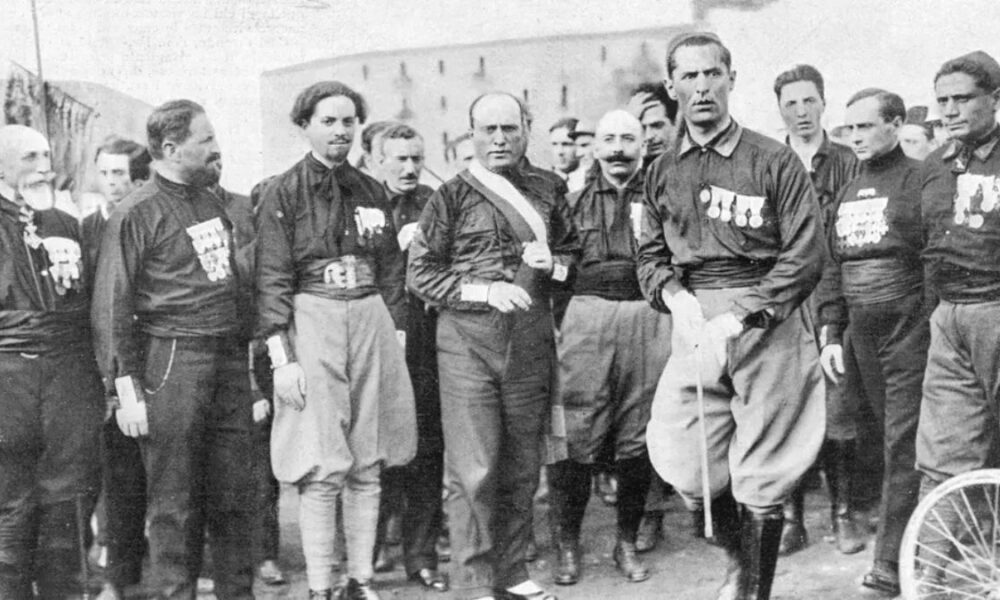
30 Dec Fascisterne: Meaning, History, Ideology, and Modern Relevance
The term fascisterne—which translates to “the fascists”—often appears in historical, political, and cultural discussions, especially in European contexts. When people search for fascisterne, they are usually trying to understand what fascism is, where it came from, how fascist movements operated, and why the concept still matters today. This SEO-optimized, user-friendly, and in-depth article explains fascisterne in clear human language, covering its origins, beliefs, historical impact, criticisms, and relevance in the modern world.
What Does “Fascisterne” Mean?
Fascisterne refers to individuals or groups associated with fascism, a political ideology that emerged in the early 20th century.
Simple Definition
Fascisterne are people who support or belong to fascist movements characterized by:
- Extreme nationalism
- Authoritarian leadership
- Rejection of democracy
- Suppression of opposition
- Strong control over society and culture
The term is often used historically, critically, or analytically rather than as self-identification today.
Origins of Fascism
To understand fascisterne, it is important to explore how fascism began.
Early 20th-Century Context
Historical Background
Fascism developed after World War I during a time of:
- Economic instability
- Political dissatisfaction
- Social unrest
- Fear of communism
These conditions created fertile ground for radical ideologies.
Birth of Fascist Movements
Key Characteristics
Early fascist movements promoted:
- National revival
- Strong centralized authority
- Military strength
- Cultural unity
They promised order and pride during times of uncertainty.
Core Beliefs of Fascisterne
Fascist ideology is built on several defining principles.
Extreme Nationalism
Meaning
The nation is placed above individual rights, diversity, and international cooperation.
Authoritarian Leadership
Explanation
Fascisterne believe in a single, powerful leader who embodies the will of the nation.
Rejection of Democracy
Why
Democracy is viewed as weak, inefficient, or corrupt.
Control of Media and Culture
Purpose
Fascist movements aim to shape public opinion and suppress dissent.
Militarism and Strength
Belief
Military power and discipline are seen as signs of national greatness.
The Role of Fascisterne in History
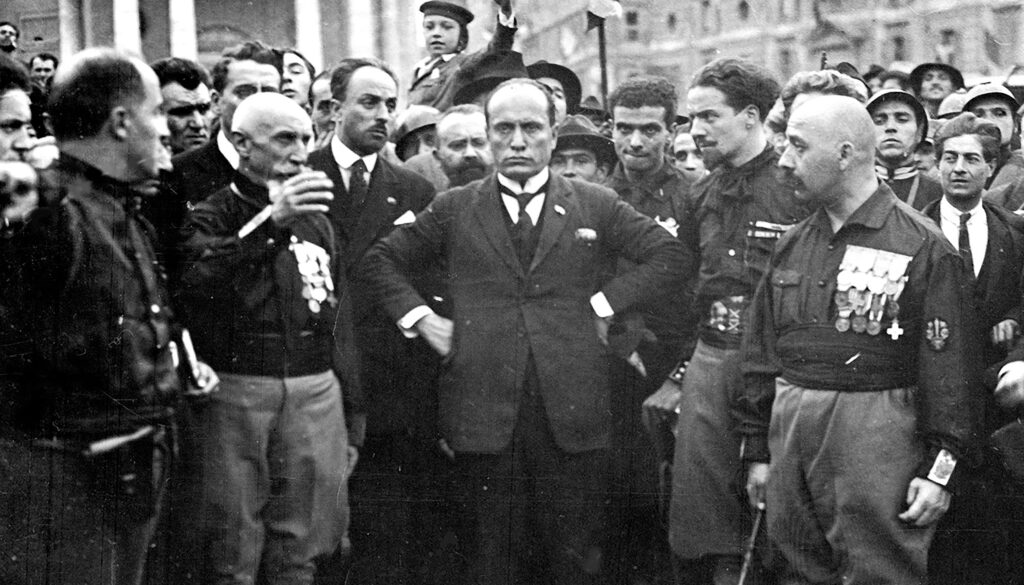
Fascisterne played a major role in shaping 20th-century history.
Rise to Power
How It Happened
Fascist groups often gained influence through:
- Propaganda
- Mass rallies
- Political intimidation
- Exploiting public fear and frustration
Use of Violence
Reality
Violence and intimidation were common tools used to silence opponents.
Impact on Society
Consequences
- Loss of civil liberties
- Censorship
- Political persecution
- Social conformity enforced by the state
Fascisterne and World War II
The actions of fascist regimes were central to the outbreak and devastation of World War II.
Expansionist Ideology
Explanation
Fascist movements often sought territorial expansion to demonstrate power.
Human Cost
Impact
- Millions of deaths
- Destruction of cities
- Displacement of populations
- Long-term trauma across nations
Aftermath
Result
Defeat of fascist regimes led to global condemnation of the ideology.
Fascisterne in Scandinavia and Europe
The term fascisterne is frequently used in European languages, especially in historical and political discourse.
Local Movements
Context
Some European countries experienced smaller fascist or far-right movements aligned with broader ideology.
Public Resistance
Reality
Many communities actively resisted fascism through:
- Underground movements
- Political opposition
- Cultural resistance
Post-War Memory
Importance
Fascism remains a warning symbol in European collective memory.
Why Fascisterne Are Widely Criticized
Fascism is heavily criticized for its values and outcomes.
Human Rights Violations
Key Issue
Fascist regimes often:
- Imprisoned political opponents
- Suppressed free speech
- Targeted minorities
Destruction of Democratic Institutions
Consequence
Independent courts, elections, and free media were dismantled.
Economic Control and Inequality
Reality
Despite promises of national prosperity, fascist systems often benefited elites.
Culture of Fear
Impact
Fear became a tool for maintaining control.
Fascisterne vs Other Political Ideologies
Understanding contrasts helps clarify what fascism represents.
Fascism vs Democracy
Key Difference
Democracy values pluralism and individual rights, while fascism enforces uniformity and obedience.
Fascism vs Socialism
Distinction
Fascism rejects class equality and focuses on national identity rather than economic fairness.
Fascism vs Liberalism
Opposition
Liberalism emphasizes freedom and diversity, which fascism opposes.
Language and the Use of the Term “Fascisterne”
The term is often used critically or historically.
Political Labeling
Modern Usage
It may be used to describe:
- Authoritarian behavior
- Extreme nationalist movements
- Anti-democratic actions
Caution in Usage
Why Important
Overuse or misuse can dilute historical meaning.
Academic and Journalistic Context
Approach
Scholars use the term carefully to maintain accuracy.
Modern References to Fascisterne
While classical fascism is widely rejected, the term still appears today.
Far-Right Movements
Connection
Some modern movements share traits but differ in structure and context.
Warning Sign
Interpretation
The term is often used to highlight authoritarian tendencies.
Public Debate
Role
Serves as a reminder of historical consequences.
Why People Search for Fascisterne Today
Search interest reflects ongoing concern and curiosity.
Educational Research
Reason
Students and readers study history and political theory.
Current Events
Context
People compare modern politics to historical examples.
Cultural References
Examples
Books, films, and media discussing fascism.
General Awareness
Purpose
Understanding threats to democracy.
Lessons Learned From Fascisterne
History offers clear lessons.
Democracy Requires Protection
Insight
Rights can disappear quickly if not defended.
Critical Thinking Matters
Importance
Propaganda thrives where questioning is discouraged.
Diversity Strengthens Society
Lesson
Uniformity enforced through fear leads to division.
Power Must Be Checked
Conclusion
Uncontrolled authority leads to abuse.
The Role of Education
Education is key in preventing repetition.
Teaching History
Why
Awareness reduces vulnerability to extremist ideas.
Media Literacy
Benefit
Helps people recognize propaganda.
Civic Engagement
Outcome
Active participation strengthens democracy.
How Societies Remember Fascisterne
Collective memory shapes future choices.
Memorials and Museums
Purpose
Honor victims and educate future generations.
Public Discourse
Role
Open discussion prevents denial or revisionism.
Cultural Representation
Impact
Art and literature keep historical lessons alive.
Why Fascisterne Remain Relevant
Despite rejection, the ideology’s legacy persists.
Political Vigilance
Need
Democratic systems must guard against authoritarian drift.
Social Responsibility
Role
Citizens share responsibility for defending values.
Historical Awareness
Benefit
Understanding the past informs better decisions.
Conclusion
Fascisterne, meaning “the fascists,” represents a political ideology and movement that left a deep and damaging mark on global history. Rooted in extreme nationalism, authoritarianism, and suppression of freedom, fascist movements caused widespread suffering and destruction, particularly during the 20th century. Today, the term is primarily used as a historical reference or a warning against anti-democratic tendencies. Understanding fascisterne is essential not to glorify the past, but to learn from it. By studying its origins, beliefs, and consequences, societies can better protect democratic values, human rights, and social diversity for future generations.
No Comments