

27 Dec How Pain Centers Are Revolutionizing Chronic Pain Treatment
Chronic pain can persist for months or even years, often stemming from an initial injury, a long-term illness, or sometimes with no clear cause. Specialized pain centers offer a multidisciplinary approach to managing these conditions. They represent a significant shift in how persistent pain is addressed, moving toward more targeted and comprehensive care strategies.
Epidural Injections
One of the procedures frequently performed at a pain center is the epidural steroid injection. This treatment is often used for individuals experiencing pain that radiates from the spine into the arms or legs, a condition commonly associated with sciatica, herniated discs, or spinal stenosis. The primary goal of an epidural injection is to deliver medication directly to the source of the inflammation within the epidural space, which is the area surrounding the spinal cord and its nerve roots.
The procedure involves a physician using fluoroscopy, a type of live X-ray, to guide a needle to the precise location in the spine. Once the needle is correctly positioned, a corticosteroid is injected along with a local anesthetic. The steroid works to reduce inflammation and swelling around the affected nerve roots, which in turn can relieve pressure and reduce pain signals. The anesthetic provides immediate, though temporary, pain relief.
Spinal Cord Stimulation
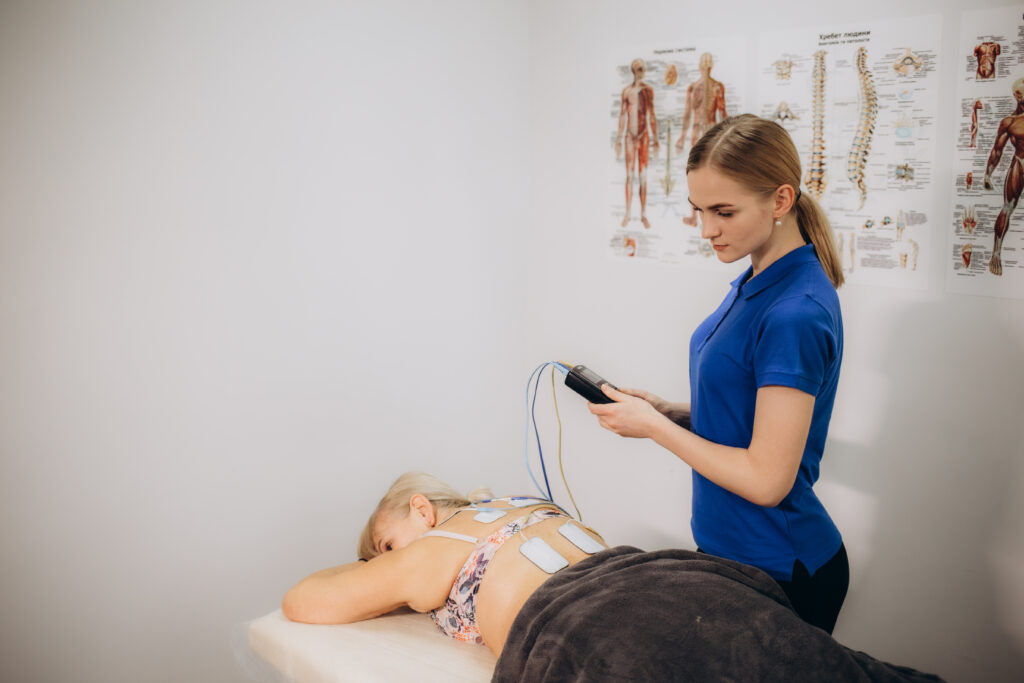
Spinal Cord Stimulation (SCS) is another advanced option available at pain centers for managing chronic pain, particularly neuropathic pain that has not responded to more conservative treatments. This approach is often used for conditions such as peripheral neuropathy. SCS does not eliminate the source of pain. It works by altering the pain signals before they reach the brain.
The system consists of thin wires, called electrodes, and a small, pacemaker-like generator. These electrodes are surgically placed in the epidural space, and the generator is implanted under the skin. The generator sends mild electrical impulses to the spinal cord through the electrodes. These impulses interfere with the nerve signals responsible for pain.
Before a permanent device is implanted, patients typically undergo a trial period. During the trial, temporary electrodes are placed, and the generator is worn externally. This allows the patient and physician to determine if SCS provides adequate pain relief. If the trial is successful, a permanent system can be implanted.
Peripheral Nerve Stimulation
Peripheral nerve stimulation (PNS) is a related technique that targets specific nerves outside of the brain and spinal cord. It is a targeted approach for chronic pain that is confined to a particular area of the body, such as pain following a nerve injury, surgery, or trauma. PNS can be applied to various peripheral nerves.
Similar to SCS, a PNS system involves placing a small electrode near the affected peripheral nerve. This electrode is connected to a small, externally worn or implanted generator that delivers gentle electrical pulses. These pulses disrupt the pain signals being sent from that specific nerve to the brain. By focusing directly on the source of the pain, PNS can provide relief without affecting other areas of the body.
Visit a Local Pain Center
Pain management has evolved substantially, and modern pain centers are at the forefront of this progress. These facilities provide access to a coordinated team of specialists who can develop a personalized treatment plan. A consultation at a pain center can offer a thorough evaluation and a detailed overview of the treatment options available for a specific condition.
No Comments