

11 Dec Signs You Need an Eye Exam Sooner Rather Than Later
Regular check-ups are part of maintaining overall health, and this includes monitoring your vision. Changes in eyesight can be gradual, so you may not notice them immediately. Understanding when to schedule an appointment is key to preserving your vision, as professional guidance can lead to better outcomes. Here is more information on eye exams, including what they are and when you should have one:
What Are Eye Exams?
Eye exams are a comprehensive evaluation of your vision and the health of your eyes. An optometrist conducts a series of tests to assess your visual acuity and check for common eye diseases. These exams are more than just a simple vision screening, as they provide a thorough look at your overall eye health. The primary goal is to detect and diagnose conditions before they become serious problems.
Why Are They Conducted?
Eye exams are conducted to determine if you need corrective lenses, such as glasses or contact lenses, and to update your prescription if you already wear them. They are also performed to screen for eye diseases that can lead to vision loss, including glaucoma, cataracts, and diabetic retinopathy. The practitioner can detect these conditions and recommend a course of action.
An eye exam can sometimes reveal other health issues, such as high blood pressure or diabetes. The blood vessels in the back of your eye can show signs of systemic diseases, making an eye exam a useful tool for assessing your overall well-being. This process helps maintain both your vision and your overall health.
What Does the Process Involve?
The examination process includes several components designed to give a complete picture of your eye health. It typically begins with a review of your medical history and a discussion about your family’s health history. This information helps the eye doctor understand your risk factors for certain conditions.
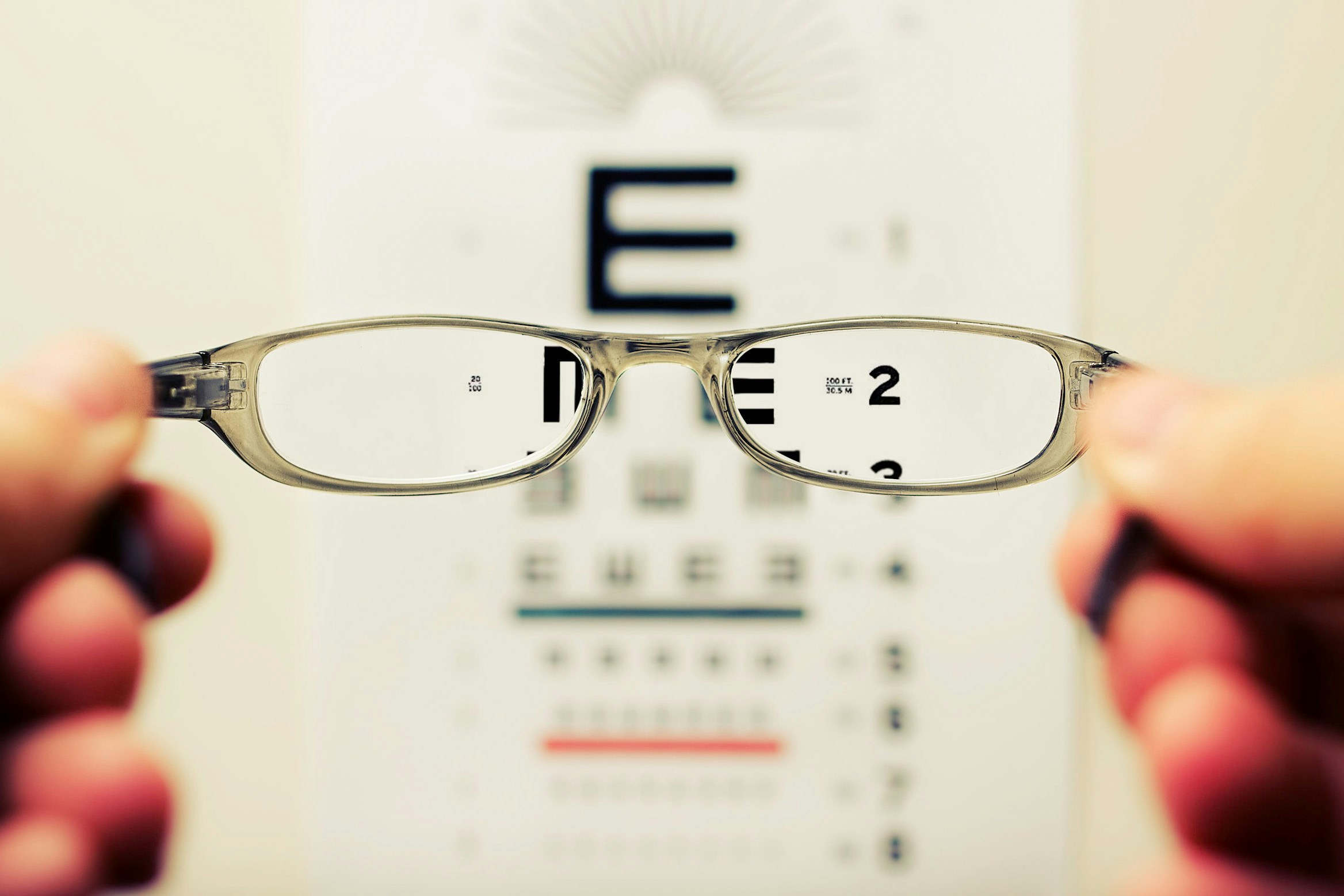
A series of vision tests is then performed. A visual acuity test, which involves reading letters on a chart, measures how clearly you see at various distances, while other tests check your peripheral vision and eye muscle movement. The doctor will also use specialized instruments to examine the internal and external structures of your eyes.
What Are the Benefits?
Regular eye exams enable early detection and treatment of eye diseases, which can prevent or slow vision loss, and they also identify the need for corrective lenses. Having the correct prescription for glasses or contacts helps reduce eye strain, headaches, and fatigue. For children, routine eye exams are particularly beneficial, as vision problems can affect learning and development. By identifying and correcting these issues early, children are better equipped for success in school and other activities.
When Should You Have One?
You should have an eye exam if you notice any changes in your vision, such as blurriness or double vision. Frequent headaches can be a sign that your eyes are working too hard, and this potentially indicates a need for a new prescription. If you experience eye pain, redness, or see floaters or flashes of light, seek an evaluation promptly. Even without symptoms, adults benefit from regular eye exams based on their age and risk factors.
Schedule an Appointment Today
Regular eye exams are a proactive way to care for your vision. By understanding the process and recognizing the signs that indicate the need for an exam, you can improve your eye health. If you are experiencing any changes in your vision, it is time to schedule an appointment. Contact an optometry office today to book a comprehensive eye evaluation.
No Comments