

29 Dec The Physical Benefits of a Face Lift
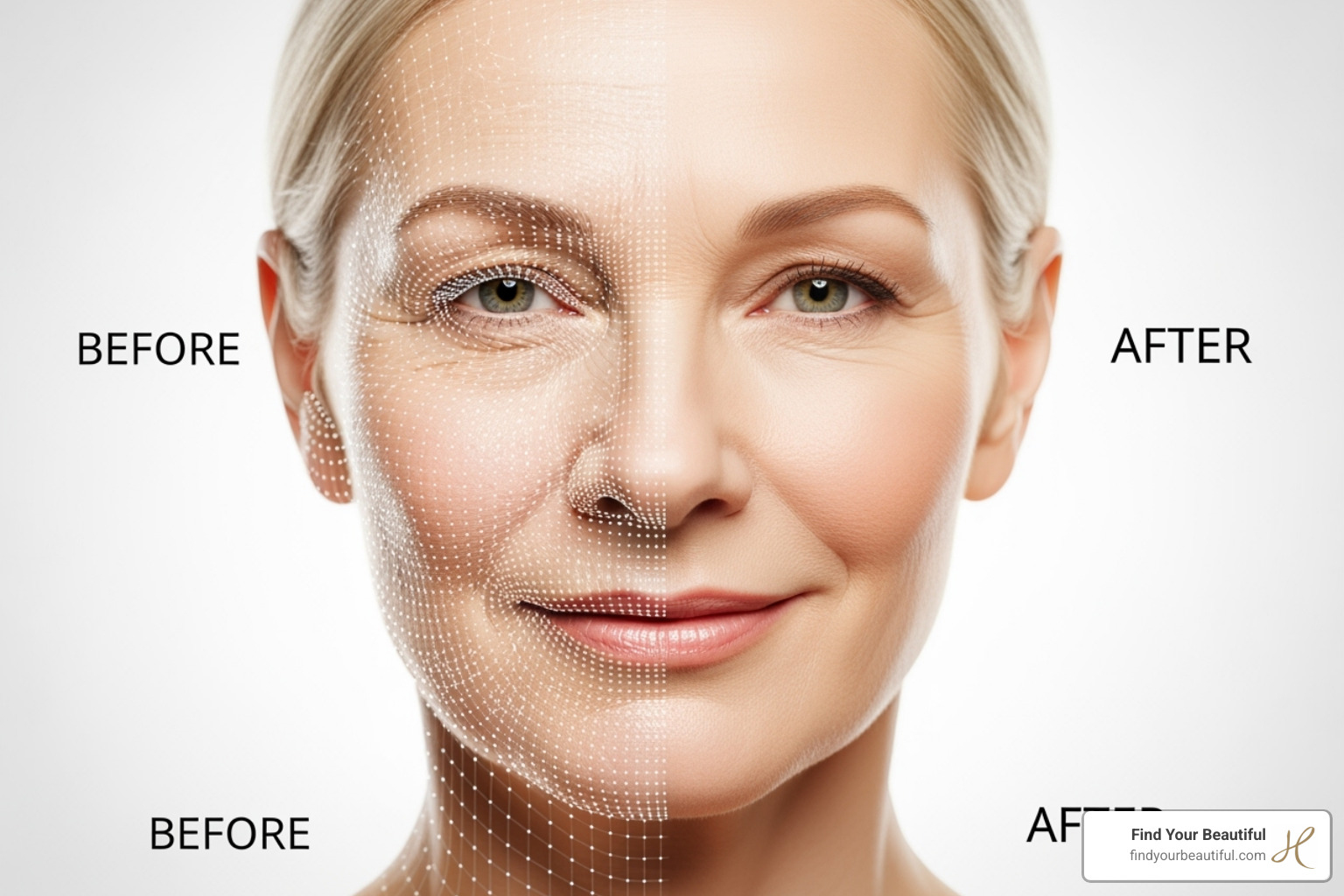
A rhytidectomy, commonly known as a face lift, is a cosmetic surgical procedure designed to create a younger appearance in the face. The method effectively reduces sagging skin and folds on the cheeks and jawline, and it addresses other age-related changes in the shape of the face. Here is more information on the surgery, how it works, what the process involves, and the physical benefits:
What Is a Face Lift?
A face lift is a restorative surgery that addresses the visible signs of aging in the face and neck. It targets specific areas where the skin has lost elasticity or muscle tone has diminished over time, and it seeks to reverse these specific structural changes. The primary objective is to restore a more youthful facial contour rather than alter the patient’s fundamental appearance.
How Does It Work?
As individuals age, the skin and muscles of the face lose tone due to reduced collagen production and the effects of gravity. A face lift functions by surgically removing excess skin and tightening the underlying tissues to counteract this natural decline. The surgeon lifts the skin and repositions the deeper layers of muscle and tissue to create a smoother, firmer appearance.
The mechanism of action relies on the mechanical suspension of facial tissues. By elevating underlying facial tissue, the surgeon provides a stable foundation for the skin. This structural adjustment helps to smooth deep folds and lift sagging features, and the excess skin is trimmed away.
What Does the Process Involve?
The procedure begins with the administration of anesthesia to maintain patient comfort throughout the operation. Incisions are made near the hairline at the temples to minimize visible scarring. The incision continues in front of the ear, around the earlobe, and behind the ear to the lower scalp, and this strategic placement allows the resulting scars to remain concealed within the natural contours of the face and hair.
Once the incisions are made, the surgeon redistributes fat from the face, jowls, and neck. They lift the deeper layers of the face and the muscles, and they drape the skin back over the newly uplifted contours. The incision is then closed, and aftercare instructions are provided.
What Are the Physical Benefits?
Patients may observe a significant reduction in sagging skin around the midface and jawline following the initial healing period. The procedure tightens loose skin that causes jowls, and it creates a sharper, more defined jawline. This restoration of facial contours contributes to a refreshed and rested appearance.
The surgery also addresses creases below the lower eyelids and along the nose, extending to the corner of the mouth. These folds are smoothed out as the skin is lifted and tightened, and the mid-face region gains a smoother texture. By repositioning the skin, the procedure reduces the shadowing that may make the face appear tired or aged.
Another benefit is improved muscle tone in the lower face and neck. Loose skin and excess fat under the chin and jaw are corrected during the process, and this effectively eliminates the appearance of a double chin. This comprehensive approach treats both the skin surface and the underlying structural integrity for a cohesive result.
Explore the Benefits Today
A face lift offers a surgical solution for correcting moderate to severe sagging of facial skin. By addressing the underlying muscles and removing excess tissue, the procedure provides lasting physical improvements to facial contours. Consult with a plastic surgeon to determine if this procedure aligns with your aesthetic goals and medical profile.
No Comments