

03 Dec The Role of an Ophthalmologist in Managing Eye Health
An ophthalmologist is a medical doctor who focuses on comprehensive eye and vision care. These professionals help manage specific eye conditions, and they perform routine check-ups and complex procedures. Understanding what an ophthalmologist does is helpful when your vision changes or when you develop new symptoms. Here’s some information about the role these professionals have in managing eye health:
Providing Comprehensive Eye Examinations
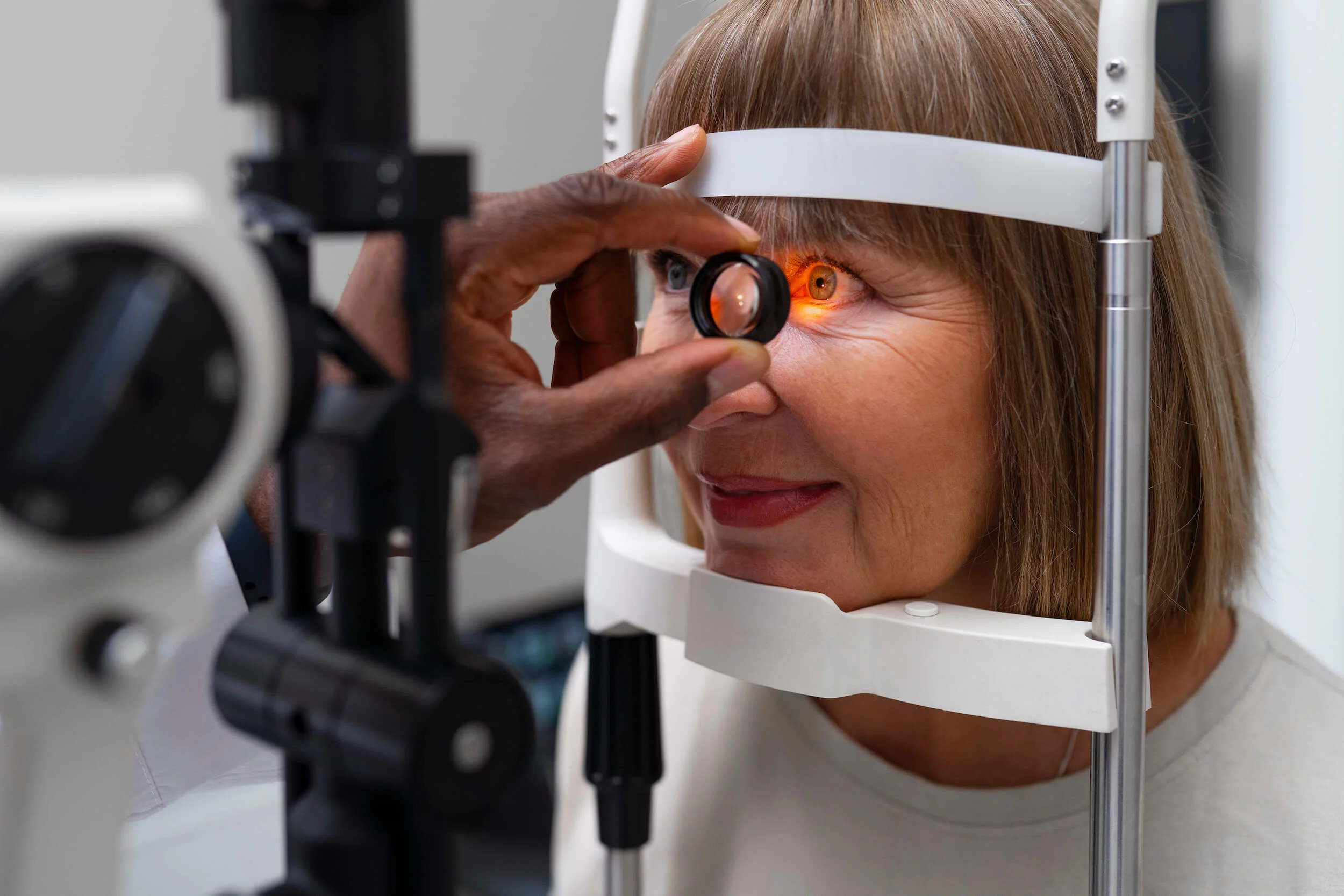
A key responsibility of an ophthalmologist is performing comprehensive eye exams; these help evaluate your vision and detect early signs of disease. They can also determine whether you need glasses. A thorough examination offers a detailed look at the health of your entire eye system. During this process, an ophthalmologist assesses your visual acuity, monitors your eye pressure, and inspects both the internal and external structures of your eyes. These exams are structured to detect any early signs of potential problems, sometimes before you notice symptoms yourself. This proactive approach is key to protecting your sight. By examining the retina, optic nerve, and other areas, an ophthalmologist gathers a complete overview of your eye health. This baseline is helpful for monitoring changes over time.
Identifying and Managing Eye Conditions
Ophthalmologists are trained to diagnose and manage a broad spectrum of eye conditions. Their medical background provides a fundamental understanding of how issues in other parts of your body, such as diabetes or high blood pressure, might impact your eyes. They address common refractive errors like nearsightedness and farsightedness, and they also navigate more complex issues. Their expertise covers a broad range of conditions, including:
- Glaucoma: A condition that damages the optic nerve and requires ongoing monitoring and treatment to prevent vision loss.
- Cataracts: A clouding of the eye’s lens that can blur vision and is often corrected with surgery.
- Macular Degeneration: A disease that affects central vision and needs early detection to slow its progression.
An ophthalmologist can identify these conditions early; this enables them to develop an effective management plan. Possible approaches include prescribing medication and recommending helpful lifestyle adjustments. Laser treatments and other corrective interventions can also support your vision and overall eye health.
Performing Surgical Procedures
A fundamental aspect of an ophthalmologist’s role is their ability to perform eye surgery. As medical and surgical specialists, they hold the key qualifications to conduct a range of procedures that address eye diseases and injuries. This surgical expertise is a fundamental part of their practice, and it supports seamless continuity of care.
Surgical procedures include cataract removal, glaucoma surgery, and corrective actions for retinal issues. When you face a condition that requires a surgical approach, your ophthalmologist can guide you through the risks and benefits. They offer valuable information, and they help you navigate each step, from your initial diagnosis and pre-operative consultation to your surgery and post-operative recovery.
Visit an Ophthalmologist
An ophthalmologist serves as a long-term partner in protecting your vision. These professionals track changes over time, and they offer personalized guidance on eye care and strain management. With services ranging from routine exams and prescription updates to advanced surgical treatments, they provide comprehensive support for your eye health. If you have concerns about your vision or want expert guidance, schedule a visit with an ophthalmologist today.
No Comments