

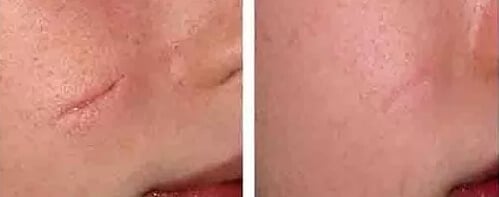
28 Oct 4 Wound Care Techniques to Reduce Scarring
Proper wound care is fundamental for healing and for minimizing the risk of infection and visible scarring. Whether the injury is minor or more serious, how you treat it in the early stages can greatly influence the final outcome. Following effective wound management techniques helps you support quick recovery and smooth skin healing. Here are four wound care techniques to help reduce scarring:
Clean and Protect the Wound
Early wound care sets the foundation for healing. Start by cleaning the wound gently with mild soap and water to remove dirt and bacteria. Avoid harsh chemicals such as hydrogen peroxide or alcohol, as they can damage healthy tissue and slow healing.
After cleaning, apply an antibiotic ointment if recommended by your doctor. This creates a protective barrier against infection. Cover the wound with a sterile bandage to keep it clean and shielded from bacteria. Change the bandage daily or whenever it becomes wet or dirty. Make sure to watch for signs of infection, such as redness, increased pain, swelling, or discharge, during this early stage.
Keep the Wound Moist
Keeping a wound moist is necessary to promote fast and effective healing. Here’s how to maintain the proper conditions for wound care:
- Use petroleum jelly or a specialized wound gel to keep the wound moist.
- Cover the moist wound with a clean bandage to protect it from bacteria and maintain a healing environment.
- Contemplate using hydrogel sheets or silicone gel products for certain wounds, as they provide continuous moisture and can minimize scar formation.
- Replace bandages regularly to promote cleanliness and prevent infection.
- Avoid letting the wound dry out completely between bandage changes to sustain an optimal healing environment.
Following these steps helps reduce healing time and minimize the potential for scarring.
Avoid Picking or Scratching Scabs
Scabs form naturally as part of the healing process. They protect the wound while new skin grows underneath. Picking or scratching scabs disrupts this process and increases the risk of scarring. Removing scabs prematurely can reopen the wound and create a deeper scar. If a scab feels itchy, apply a gentle moisturizer around the wound or use a cold compress to relieve discomfort. Keeping the area covered with a bandage can also prevent accidental scratching. Let scabs fall off on their own when the skin underneath has healed.
Incorporate Proper Aftercare
Healing continues long after a wound closes. Supporting your body during this time helps reduce the final appearance of scars. Follow these steps to promote long-term healing:
- Consume nutrient-rich foods: Include foods high in protein and vitamin C in your diet to provide the nutrients your skin needs to repair itself.
- Use compression garments if advised: These garments, when recommended by your doctor, can help reduce swelling and support the healing tissue.
- Protect healing skin from UV rays: Avoid sun exposure on the affected area, as UV rays can darken scars and make them more prominent.
- Avoid stress on the wound: Refrain from activities that stretch or strain the healing area.
- Adhere to medical aftercare instructions: Follow your healthcare provider’s specific guidance to optimize healing.
Taking these steps provides your wound the best chance to heal effectively with minimal scarring.
Schedule Your Wound Care Appointment
Proper wound care requires attention to detail and consistency. Following these four techniques can help you heal your wounds faster and reduce scarring. If you have a wound that isn’t healing as expected or shows signs of infection, seek professional help promptly from a specialist. Contact a wound care specialist near you to schedule your appointment today and get personalized wound treatment recommendations.
Sorry, the comment form is closed at this time.