

28 Oct How Laser Cataract Surgery Is Shaping the Future of Treatment
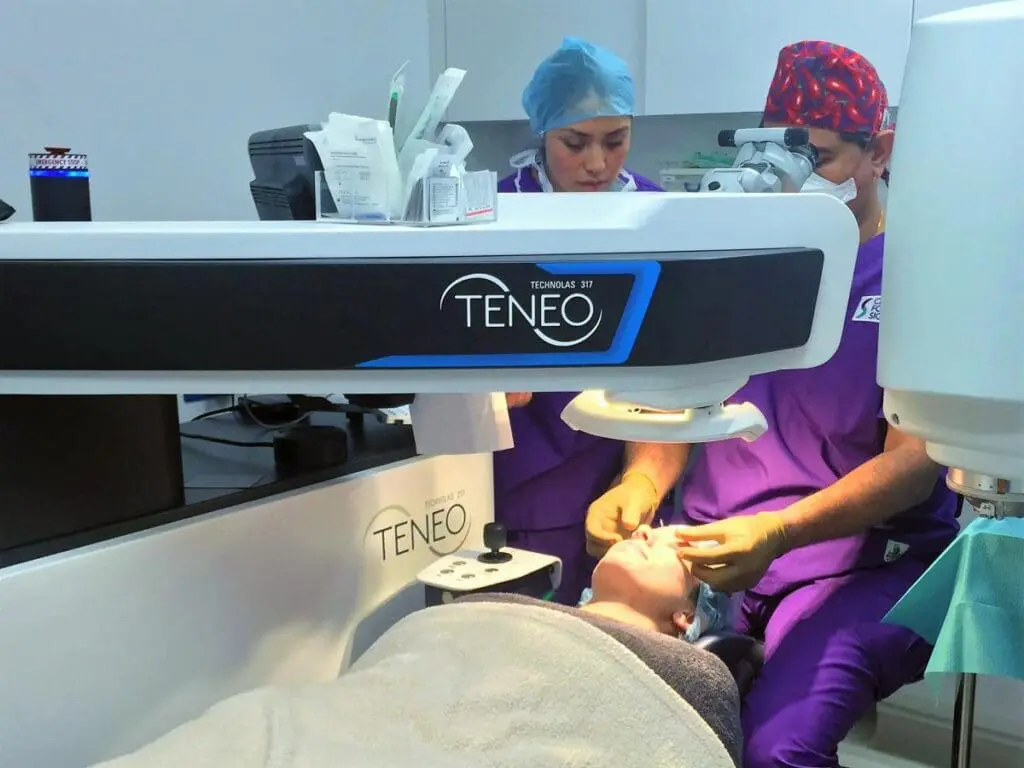
Laser cataract surgery removes cloudy areas in the eye’s lens using a precise method. This procedure uses a specialized laser to perform specific steps of the operation. By integrating advanced imaging and laser technology, this approach offers a different way to handle cataract removal. Here is more information about laser cataract surgery and the innovations it provides:
Improving Surgical Precision
During the procedure, surgeons typically use detailed, three-dimensional images of the eye to map out the surgery. These maps guide the laser with a high degree of precision, and this allows for customized treatment planning. Because the laser automates specific steps of the surgery, it adds another level of accuracy to the process.
The laser creates the initial incisions in the cornea with accuracy that is difficult to replicate by hand. Once the incisions are made, the laser then opens the capsule that holds the eye’s lens. Surgeons aim to make this opening circular and centered. This is a key step for the placement of the new intraocular lens.
The laser also helps break up the cataract. After the lens capsule is opened, the laser softens and divides the cataract into smaller, more manageable pieces. This fragmentation process simplifies the removal of cataract material from the eye and prepares the eye for the next stage of the operation. This advanced use of laser technology may help to reduce the risk of complications, contributing to improved outcomes for patients undergoing cataract surgery.
Using Computer Controls
Computer controls are fundamental to the laser cataract surgery process. The surgeon typically programs the computer based on the unique anatomy of your eye, and this pre-programming guides the laser’s every move. This system adds a layer of automated control to the procedure. This precision helps promote optimal outcomes while minimizing the risk of complications during the surgery.
Utilizing Refractive Laser Technology
Refractive laser technology is a key component of this surgical approach. The laser makes precise incisions in the cornea, and this step can help reshape it to correct astigmatism. Addressing astigmatism during cataract surgery may reduce the need for glasses to see clearly at a distance.
The technology allows for customization during the procedure. Surgeons can adjust the laser settings to match the specific refractive error of your eye, which is determined through detailed pre-operative measurements. This personalized approach relies on calculated data collected before surgery.
Avoiding Human Error
Automation using laser technology reduces dependence on handheld instruments for key tasks, streamlining processes and increasing efficiency. This method is designed to provide consistency for certain parts of the procedure. While every surgery involves a skilled surgeon, the laser automates tasks that benefit from machine precision in these ways:
- Creating corneal incisions
- Opening the lens capsule
- Fragmenting the cataract
Schedule Laser Cataract Surgery
Understanding the details of laser cataract surgery helps you make an informed decision about your eye health. This procedure uses advanced technology to address cataracts, and it does so with a high degree of precision. If you are exploring your options for cataract treatment, schedule a consultation with a cornea specialist or an eye surgeon near you.
Sorry, the comment form is closed at this time.